Description
The Daylily
My undergraduate degree is in wildlife and range science. Since I graduated many years ago; plants, animals, weather, and nature have deeply intrigued me. Everywhere I go I like to study the world around me. In a manner of speaking, the world is a temple filled with many things to reverence and learn from.
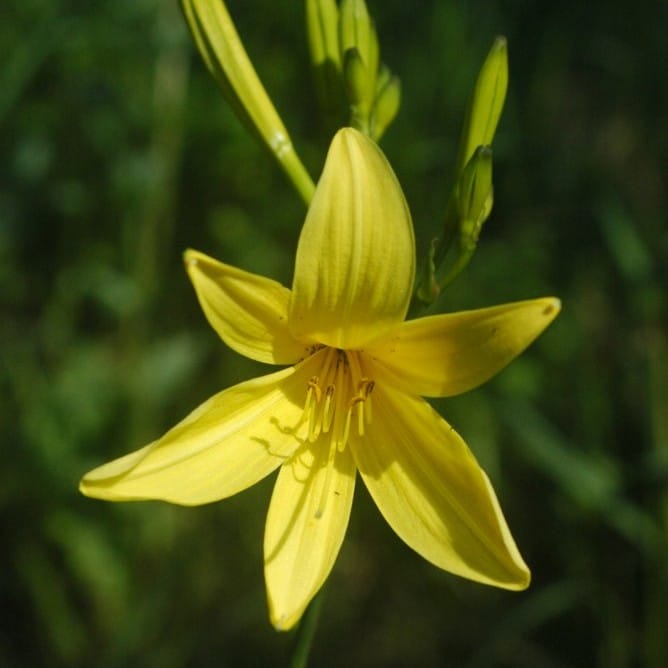
In that spirit, I met a plant recently I’ve never seen before, or at least I’ve never paid much attention to. It was a beautiful flower, called a daylily. The genus is hemerocallis. It comes from the Greek word hemera which means day and the word kallos which means beauty.
It is a flower of legend, tradition, and even poetry with many uses, especially symbolic in the Far East.
It is a hardy plant that can endure much and survive. Moreover, there are thousands of hybrids of all colors and they are everywhere from the cultivated garden to the side of a neglected ditch.
Perhaps the most notable thing about the daylily is that its flowers only last one day. They bloom in the morning and by the end of the day they wither and are gone, to be replaced the next day by another flower on the same stem.
It was the Apostle James who once wrote, “…As the flower of the grass he [man] shall pass away.”
The daylily has long symbolized our human experience. From the perspective of eternity, we burst brilliantly upon the scene and are gone into the next world in a moment. While we are here none are perfect—all of us are a little ragged or withered, especially as the day draws long. The sun will always go down on our mortality—the day of our probation will pass away as in a moment. The great question is, what manner of blossom will we be in the short time we have? Where will we bloom? Of what use will we be?
Or lives—just like the daylily—will pass away as a dream, therefore, what lesson do I learn from a humble flower? Bloom brilliantly where you are planted so that God and Angels can’t help but take notice of you.
Source:
James 1:10