Description
Take the Long View: A Lesson from Alaska
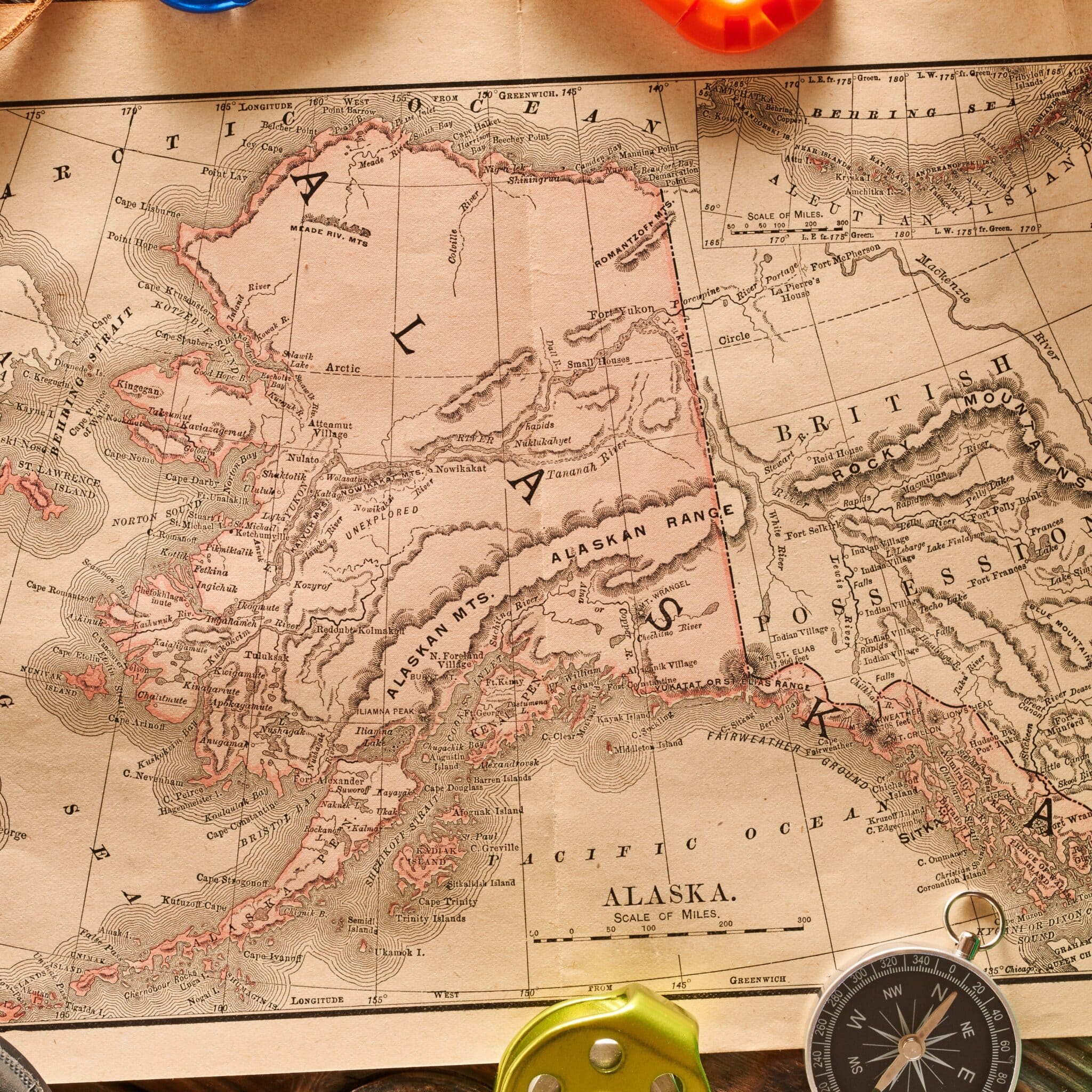
There was a time in this world when the sea otter was one of the most sought after animals in the world. Why? Because of its skin. The fur of the sea otter has as many as 1 million hairs per square inch making it one of the most dense and luxurious furs of any animal. It was highly prized and very valuable, especially among nobility and elites. One of the places where it was the most valuable was China through the 1700’s and early 1800’s. A single fur in the late 18th century could bring $100, which was the equivalent of a year’s wages.
This drove intrepid men to seek further and further into the Arctic north, looking for this valuable animal. Independent Russian trappers pushed across Siberia, until eventually they found their way to the coast of Alaska, where they found a new and fresh supply of fur-bearing animals, especially, and including, the sea otter. The Russians established the Russian American Company, reaching all the way from Sitka Alaska to Northern California. Alaska became very valuable to the Russians. So much so that the control of the trade came under the Tsar himself.
However, by the 19th century, the supply had radically diminished. The sea otter populations were decimated, and the demand for pelts began to dwindle. Alaska was no longer that valuable to the Russians.
Then came a critical situation for the Russians. At the end of the Crimean War, they were deeply in debt. They needed money. Alaska had become a great wilderness burden. Why, because it covered a great deal of land and was very difficult to govern. Moreover, the British were just over the mountains of the Alaskan Peninsula to the east, and if they chose to, the British could take Alaska away from the Russians at any time.
So, in 1867, negotiations occurred in which a deal was struck that the Russians would sell Alaska to the United States for $7.2 million. This would amount to less than two cents per acre for over 500,000 mi. of land. As the Russians saw it, better to get a little for it in a sale than nothing in a war.
William H Seward, the United States Secretary of State had a vision of the United States, expanding its borders east to west and north to south and believed that he was doing a very good thing for his country by negotiating this sale.
As for the Russians, they were thrilled with the $7.2 million. They gave their ambassador a generous bonus and he retired in fine style.
When the American press learned of William H. Seward’s purchase, he was lampooned and vilified. Alaska was considered a worthless icebox. They called it “Seward’s Folly,” or they called it “Walrussia,” or “Seward’s icebox.” No one took Alaska that seriously or considered it worth their time.
Then came gold rushes: the Yukon in 1896, Fairbanks and Nome in 1899 and others. Suddenly, Alaska had some value.
Then came WWII and in June 1942, the Japanese bombed and then occupied the Aleutian Islands. It would be the first time since the war of 1812 that a foreign power occupied United States territory. Moreover, they were right on our doorstep and Alaska was recognized for its critical, strategic value during the war. Military installations sprang up immediately and the Alcan Highway was constructed in a virtual blur of activity.
Then came the 1950’s with the Cold War and threats of nuclear annihilation. Meanwhile, our foremost enemy–the Soviet Union–was only 55 miles away across the Bering Strait from American soil. Now, Alaska was very valuable. They became the 49th state, entitled to the full protection and rights of every other American citizen.
Lastly, came the discovery of oil in Prudhoe Bay, the largest oil field in North America. Such incalculable wealth that has come to America because of that one oilfield.
And all of that is just the material wealth of Alaska – – oil, forest, minerals, and so much more, but what of the beautiful scenic wildness of Alaska. John Muir would refer to Alaska as fresh from the hand of God, a place like unto Eden, he would say. No one properly informed today can or would say that Alaska is worthless!
Now, I tell you this story to draw a parallel. William H. Seward, the man who bought Alaska for the United States said, “The American people must learn to look far off into the future.” We have all been blessed because Seward could see far off into the future.
This story has stuck with me because of what Seward said. To all those of you now, under the sound of my voice, take the long view, look far off into the future. There is a glorious kingdom of infinite wealth and value, waiting for us. The Father has promised all that He has if we will just stay the course. Don’t give up. Go to Church each week. Serve in the lowliest of callings. Keep the commandments—even the little ones that hardly seem worth it. There will come a moment for us all when we will realize the inestimable worth of faithfulness.
Sources:
https://www.history.com/this-day-in-history/march-30/sewards-folly
https://history.state.gov/milestones/1866-1898/alaska-purchase
https://en.wikipedia.org/wiki/Alaska_Purchase
https://history.state.gov/milestones/1866-1898/alaska-purchase
https://en.wikipedia.org/wiki/Maritime_fur_trade
https://alaskahistoricalsociety.org/looking-back-the-1900-nome-gold-rush-5/