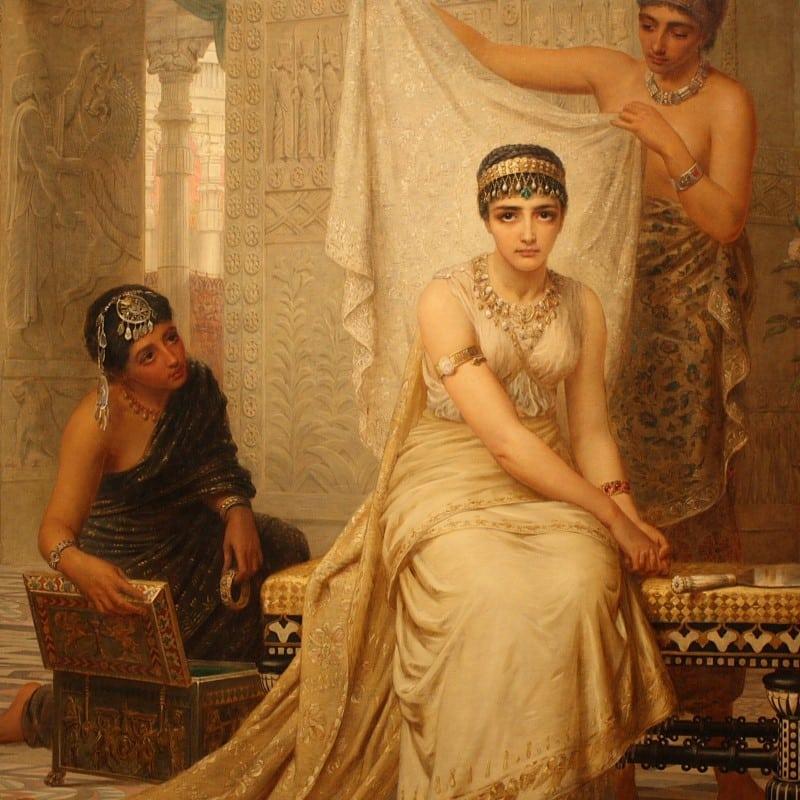
Description
Such A Time As This:
Esther’s Risk
Some 2400 years ago, there came a most remarkable moment. In the reign of Xerxes I, Vashti, the Queen of Persia was deposed for defying the order of the King.
After some time, a plan was made to bring together the most beautiful maidens across the kingdom for the king to choose a new wife.
Among those gathered was Haddassah, whose Persian name became Esther.
Esther was truly beautiful, such that she “obtained favour in the sight of all them that looked upon her.” she had a way about her, evidently a gentle and meek spirit, coupled with remarkable beauty that drew people to her. Esther had grown up an orphan being raised by Mordecai, her cousin.
At the appointed time, Esther was to go in to the King. Unlike the other young women she took nothing with her to meet the King but the strength of her character. The result:
“The king loved Esther above all the women, and she obtained grace and favour in his sight more than all the virgins; so that he set the royal crown upon her head, and made her queen instead of Vashti.”
As has always been in empires great and small, politics and power corrupted men. One of the King’s high ministers devised a plot to kill all the Jews across the entire empire. When the King signed off on the decree it was law and no one could reverse it.
Mordecai came to the gate of the palace in the attitude of fasting and prayer, dressed in sackcloth and ashes. Why? Because he was a Jew. As was Esther.
The King had unwittingly signed the death warrant of his own beloved queen and her family. The Jews all across the empire fasted, prayed, and wept.
Esther’s servants came and told her of Mordecai’s state. She was grieved and sent a messenger to inquire of Mordecai the matter.
The messenger returned and told her of the evil that was about to befall her people. Mordecai charged her to “go in unto the king, to make supplication unto him, and to make request before him for her people.”
Esther sent back a reply and told him that it was against the law to enter the King’s presence unbidden. The king had not sent for her for 30 days. If she went in now, she would likely be killed.
Mordecai sent word again urging her to risk it all and go. He said, “who knoweth whether thou art come to the kingdom for such a time as this?”
Perhaps it is just exactly that, Esther had been foreordained, prepared, and raised up for just this very moment to be a savior of her people.
Notwithstanding the King’s petulant temper and unbridled power, Esther risked everything: her position, power, wealth, comfort, even her very life, and went into the King’s inner court.
He saw her and bid her come. Can we even imagine the relief and the prayers of gratitude when the King extended the golden scepter and bid her rise. The record says:
“Then said the king unto her, What wilt thou, queen Esther? and what is thy request? it shall be even given thee to the half of the kingdom.”
With wisdom and careful timing Esther made known the plot to the King—who, in his wrath, brought to the pit of death, the very ones who dug it for the Jews. The Jews were saved. Esther, one lone young woman, had averted a holocaust.
To this day Jews still honor her with the Feast of Purim.
The book of Esther in the Old Testament troubles many for a variety of reasons, none of which really matter.
I love Esther! She was neither pure nor perfect, yet, through her the Almighty exercised His power to do great things. And so it has always been—imperfect people empowered by God to accomplish great things.
Love is a risk. It always has been. But Esther and the Lord Jesus Himself tell us that eternity and mortality honor just such love.
Take the risk today and love.
Sources:
Esther 2
Esther 5