Description
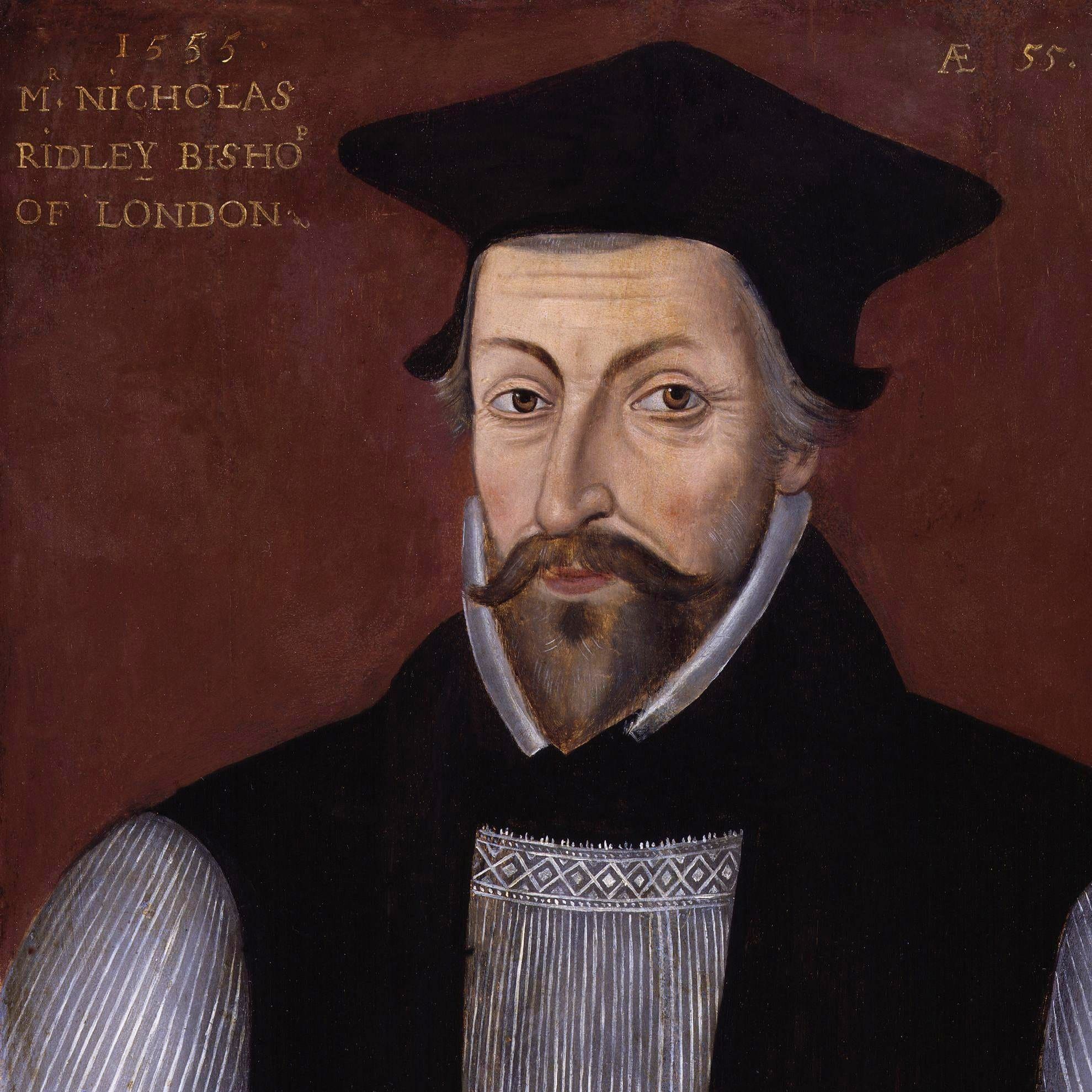
Nicolas Ridley and Hugh Latimer
October 16, 1555, two Protestant Bishops Nicolas Ridley and Hugh Latimer were led out into the street to die. There stood awaiting them a pyre of wood piled about a wooden stake. Both men had served as advisors to King Edward, the son of Henry the VIII, trying to move English Christianity towards Protestantism. When Edward died young his half-sister, Mary, ascended to the throne. Unlike her predecessors, Mary was a devout Catholic, and determined to return England to the Pope. During the five years she sat on the throne 293 Protestants were executed for their faith.
There was no freedom of conscience, Ridley and Latimer were forced to recant their Protestantism or die. Both men refused and were condemned to die by burning at the stake.
On his last days Ridley spent many hours in prayer, “that God would give him grace to stand for his doctrine until death–that he might give his heart’s blood for the same.”
On the appointed day they were led out to die. A large audience had assembled to watch. Ridley saw Latimer and “ran to him, embraced and kissed him…saying, ‘Be of good cheer, Brother, for God will either assuage the fury of the flame or strengthen us to abide it.’”
As they were tied back to back to the stake, Ridley prayed, “Oh, Heavenly Father, I give unto thee most hearty thanks that thou hast called me to be a professor of thee, even unto death. I beseech thee, Lord God, have mercy on this realm of England, and deliver it from all her enemies.”
As the fires were lit beneath them, Latimer said, “Be of good cheer, Master Ridley, and play the man, for we shall this day light such a candle in England as I trust by God’s grace shall never be put out.”
Small sacks of gunpowder were placed around their necks to hasten their death. Latimer died quickly and gloriously, while the wood beneath Ridley was green and he perished slowly, crying out to the Lord. Both died as martyrs.
Five centuries later I now stood on that very ground where Latimer and Ridley were burned. It was in the middle of a busy street in Oxford, England. There was a small section of the street left curiously unpaved in which the original cobblestones were exposed. And etched into those cobblestones was a Christian cross marking the spot of martyrdom. I felt a hallowed and subdued presence as I stood there. It was to me holy ground, made sacred by the sacrifice of those who died there for their faith. And yet, I couldn’t help but notice the crowds around me. They walked past, rode bicycles, or carried on their business over that cross as though it was just another three feet of generic roadway, which indeed, to them, it was. They did not know what had happened there.
If we desire to go forward on the strait and narrow path it is imperative that we know and remember what happened on the road behind us. In other words, to know our past is to give meaning and purpose to our present. God bless Ridley and Latimer, for surely they are his now.
Sources:
https://www.historytoday.com/archive/months-past/latimer-and-ridley-burned-stake