Description
I Made a Vow
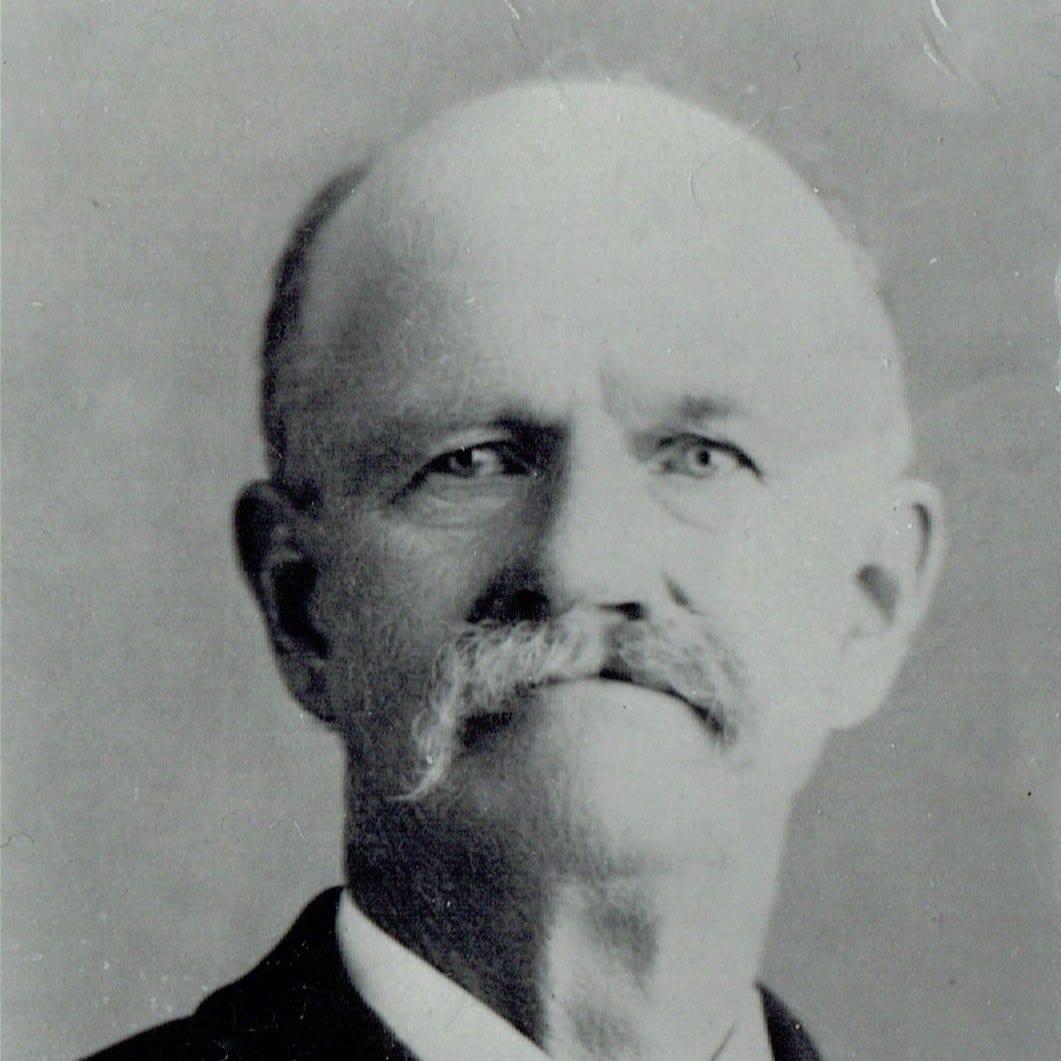
The date was October 28, 1856, and the place was Red Buttes Camp near Bessemer’s Bend on the Sweetwater River in Wyoming. It was here that the Martin Handcart Company was camped, stranded and suffering from the cold. They were simply unable to travel further. It was into that pathetic scene that Joseph A. Young, Abel Garr, and Daniel W. Jones rode with all speed. They were the advance riders of the Rescue Party come from the Salt Lake Valley to help them. Albert Jones, sixteen-years-old, later described the scene:
“Joseph A. Young… rode a white mule down a snow covered hill or dug way. The white mule was lost sight of on the white background of snow, and Joseph A. with his big blue soldiers’ overcoat, its large cape and capacious skirts rising and falling with the motion of the mule, gave the appearance of a big blue winged angel flying to our rescue. The scene that presented itself on his arrival I shall never forget; women and men surrounded him, weeping, and crying aloud; on their knees, holding to the skirts of his coat, as though afraid he would escape from their grasp and fly away. Joseph stood in their midst drawn up to his full height and gazed upon their upturned faces, his eyes full of tears. I, boy as I was, prayed “God bless him.”
Joseph A. and his companions imparted comfort, hope, and the few supplies they had to the stranded emigrants and soon had them moving toward the main camp of the rescuers to the West. From that point forward, those men and others from the Valley did everything in their power to assist and save the suffering Saints. Their heroic efforts did not go unnoticed by young Albert. He said:
“I followed them from fire to fire and if allowed to cut a stick into two with their axe, I was in my glory—although they laughed at my first attempts to acquire its use. One night, I well remember after I had sung several songs to the boys around their jolly big campfire, I moved to the other side of the fire, from where they were sitting and, in my admiration of these active young fellows, I made a vow – That should I and my people reach the valleys in safety—and a call should come to go out to rescue belated Saints in their incoming through the mountains, I would go out to help them.”
Six years later that call did come. By then the Church had done away with the handcart emigration system in favor of a better one. It was called the “Down and Back Wagon Trains.” Tough and ready teams of volunteers with wagon and oxen would load up and leave the Salt Lake Valley. They would gather the emigrants at the Missouri River and set out for the Valley. Of his journey to bring the saints in, Albert said:
“Bishop Duke of Provo in the year 1862 called me to take my own dear self—my one yoke of Oxen—and my own wagon and go 1000 miles to Florence to bring in a wagonload of such emigrants. I [made] the round trip in the shortest time of any of the ox trains dispatched from the Valleys in that business [and] fulfilled the vow I had made. This effort is among the most pleasant of my life.”
Source:
https://history.churchofjesuschrist.org/overlandtravel/pioneers/19121/albert-jones
https://www.familysearch.org/tree/person/memories/KWN5-MYH