Description
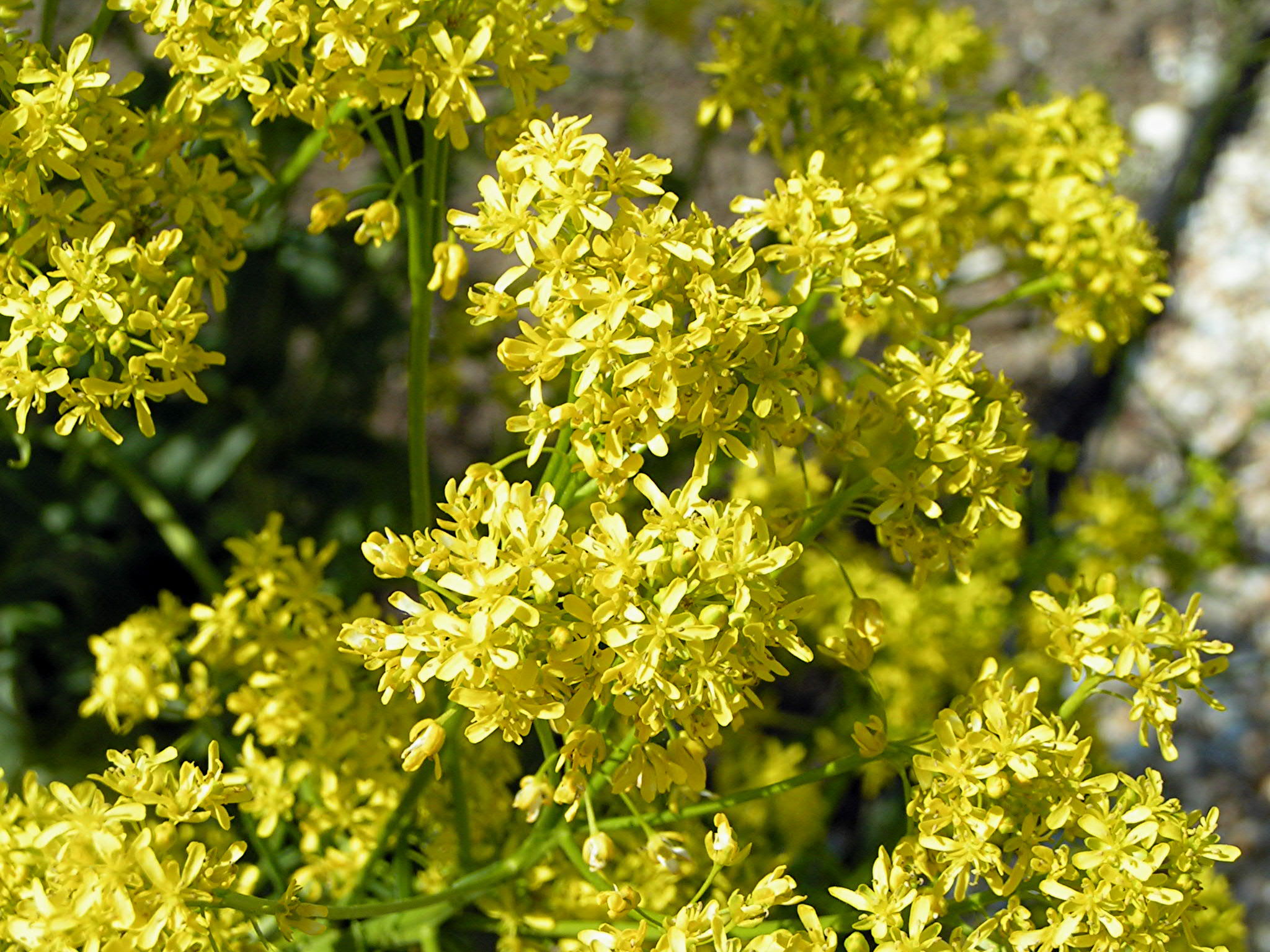
Dyer’s Woad
I went for a walk on the east bench above Draper. While walking I saw a tall skinny plant with pretty yellow blossoms. Nature has always fascinated me and not recognizing this plant, of course, I looked it up. I got the name and thought to myself, “I’ve never heard of that plant. I must have got it wrong.” I checked again and again, and all three times came up with the same result. It is commonly called Dyer’s Woad or Isatis Tinctoria.
Turns out there is a fascinating story about this plant. It is not native to Utah. It was intentionally brought here by the pioneers in the 19th century. It originated in semi-arid climes around the Mediterranean.
There was a time when Dyer’s Woad was an extremely valuable cash crop. It was used to produce beautiful indigo blue dyes in fabrics. But then, other synthetic means were found to produce the same dye easier and cheaper, and Dyer’s Woad went out of use. It passed then from being a valuable cash crop to now—in Utah—being a Class B invasive species that absolutely no one wants and most everyone is trying to eradicate.
There are, however, a few who cling to the old traditional ways who still cultivate it and use it as a dye. It was the original source of the symbolic color of royalty.
It is fascinating how the dye was made—some would say miraculous. The green leaves were taken and crushed. They were then allowed to ferment. Once the fermentation process was done there was a yellow-green liquid in the vat. When fabric was dipped into it, it came out the same yellow-green, but “that moment when dull green fabric suddenly blooms into deep blue was one of the small miracles of pre-industrial life.” Dyer’s Woad! From miraculous, valuable, and wonderful to weed—what a story.
I couldn’t help but think of the Lord God of Israel and the endless cycles of pride among men and nations across history. Like Dyer’s Woad, when men were humble and recognized Him as their Lord, God, and King they prospered and were beautiful and fair. But when they forgot Him or no longer valued Him and his commandments—when He became an invasive cultural weed—they were destroyed.
A beautiful yellow flower in the mountains of Utah will ever be my reminder to humble myself and remember who He is and what miracles He still has to give.
Glenn Rawson April 2026