Description
Code of the Cowboy
As I have said too often, I was raised on a cattle ranch. I grew up a cowboy with a life-long cowboy father. And somehow I could never leave it. It became who I am. Maybe it has something to do with the “Code of the Cowboy!”
After the Civil War, markets opened up in the Eastern United States and people developed a taste for beef. It became very lucrative for large cattle ranches in Texas to gather up large herds and drive them north up such trails as the Chisholm or the Goodnight\Loving, to the railheads in the Midwest. Destinations such as Dodge City, Abilene, Ogallala, Cheyenne and many more.
Typically, the men who were recruited for these long drives were young and unattached. They came from every race, but they were thrown together for months at a time driving thousands of head of longhorn cattle over endless miles to the rails. It was a hard way of life and out of it came an unwritten, unspoken code of conduct. It was called the Code of the Cowboy.
These are the some of the major points of that law:
- A man’s word is his bond. Reputation was everything and in a world where there were few contracts and even fewer courts, the cowboys had to count on each other. A handshake was a binding contract.
- Ride for the brand. This meant loyalty to the outfit. No matter what, the cowboy stood behind those he worked for and would sacrifice everything to protect cattle that didn’t even belong to him.
- Take care of your horse. The cowboy’s horse was his livelihood. The cowboy would care for his horse first and himself second. Without that horse he was useless.
- Help anyone in need. It was a wide-open country and creature comforts were few and far between. It was expected that they took care of each other in times of need. No stranger was turned away from the fire. No one was sent back into the storm.
- Don’t quit and don’t complain. It was a rough country and a hard way of life. Whining, whimpering, and complaining was just not tolerated. Even today, we hear the phrase, “Cowboy Up!” The cowboy was expected to endure hardships stoically and get the job done.
- Courageous but not reckless. Driving the trail was dangerous. Storms, rustlers, stampedes, unpredictable horses—the cowboy never knew what was coming next and he was expected to face his fear and mount up when the time came.
- No bragging or boasting. The cowboys most admired that man who could show up—mount up—and get the job done, not the one who just talked about great deeds. Understatement of ordeal was considered a virtue. Regardless of race or color, cowboys respected competence and skill. On a storm line or in the middle of a stampede, nobody cared where you were born.
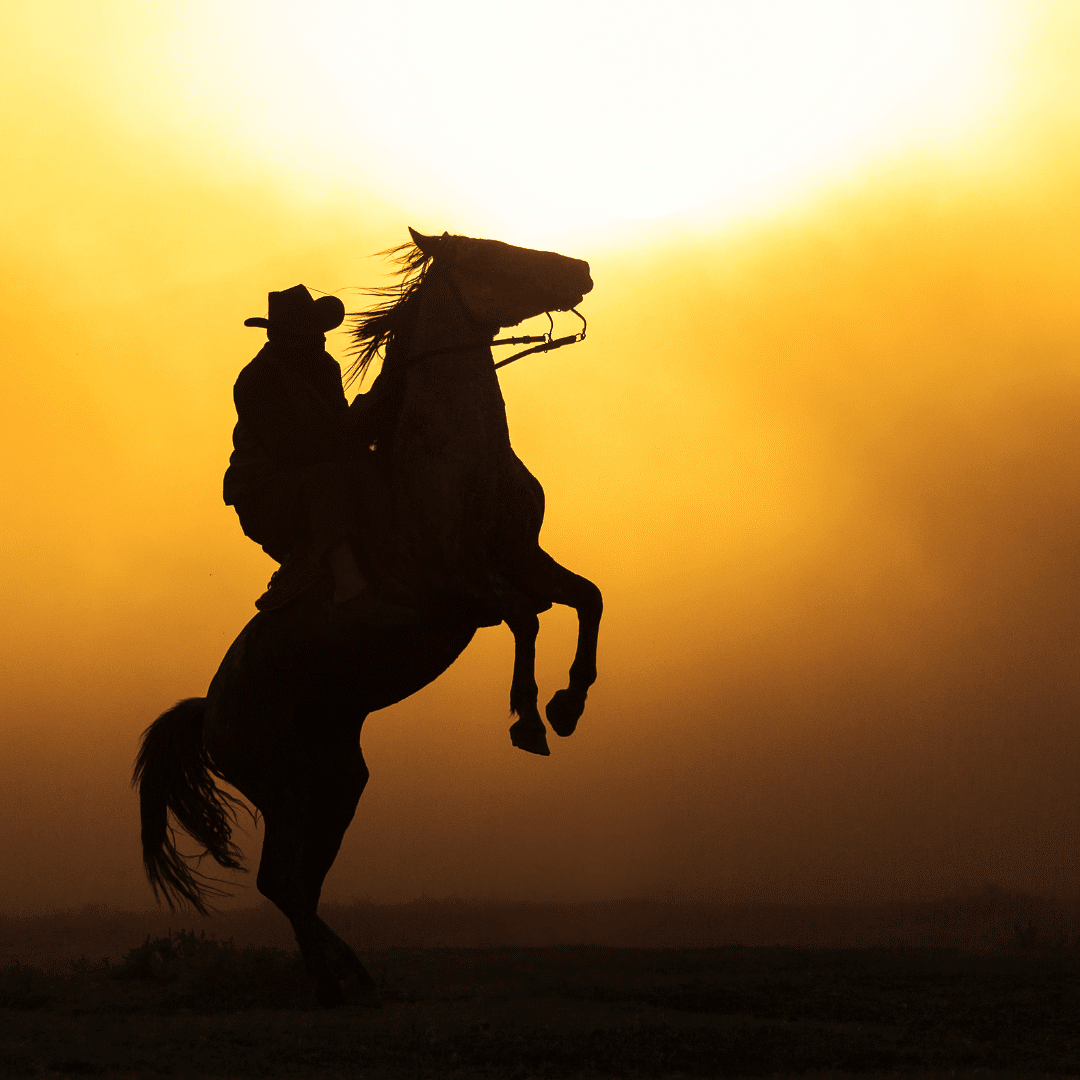
- Get Back On. If you get bucked off, you get back on. Be tough. Get the job done no matter the opposition.
The code was all about being able to depend on each other. It was not something that cowboys discussed. There wasn’t a handbook of instructions. It was just expected and communicated by living.
By the turn of the 20th century, the great drives over the plains were over and the wide-open range country was replaced with barbed wire fences and established ranches. The wild, drifting, single, cowboy was replaced by the working ranch cowboys who adapted the code, raised families, and became established members of the community. But the code lived on and still does.
I was raised with it. It was bred into me from the time I was a wee boy. No one taught it to me. I observed it until it became the code of conduct that still governs my conscience—the creed I lived up to. And when I became a disciple of Jesus Christ, I learned nothing from Him that contradicted the code, but rather, reinforced it. The measure of a true man then and now, be he cowboy or Christian, or both, was strength by restraint—meekness.