
When Isaiah spoke of Christ, he said he would “be for a sanctuary; but for a stone of stumbling and for a rock of offense” (See Isaiah 8:14). Jesus later added, “Whosoever shall fall on this stone shall be broken; but on whomsoever it shall fall, it will grind him to powder” (see Matt. 21:44).
It would seem then that the most important mortal decision we will ever make is how we respond to the Savior.
Jesus was arrested in the Garden of Gethsemane and brought to the palace of Caiaphas where he was illegally tried and condemned. Early the following morning, Jesus was bound and led to the judgment hall where he stood before Pontius Pilate, the Roman governor. (See John 18:28 and Mark 15:1) Why was he there? Because the Jews had not the authority to put Jesus to death. That power belonged to Rome. (See John 18:31) Moreover, if the chief priests and the elders put him to death there would be a hue and cry across Jerusalem, but if the Romans condemned him, there was little the people could do, and it ostensibly justified the decision of the Jewish Sanhedrin. Therefore, Pilate became the pawn in the plot to kill the Messiah.
Who was Pilate and how did he come to be in this unenviable predicament? Tradition holds that he was born and reared in central Italy, a Roman citizen. (See http://news.bbc.co.uk/1/hi/uk/1273594.stm)
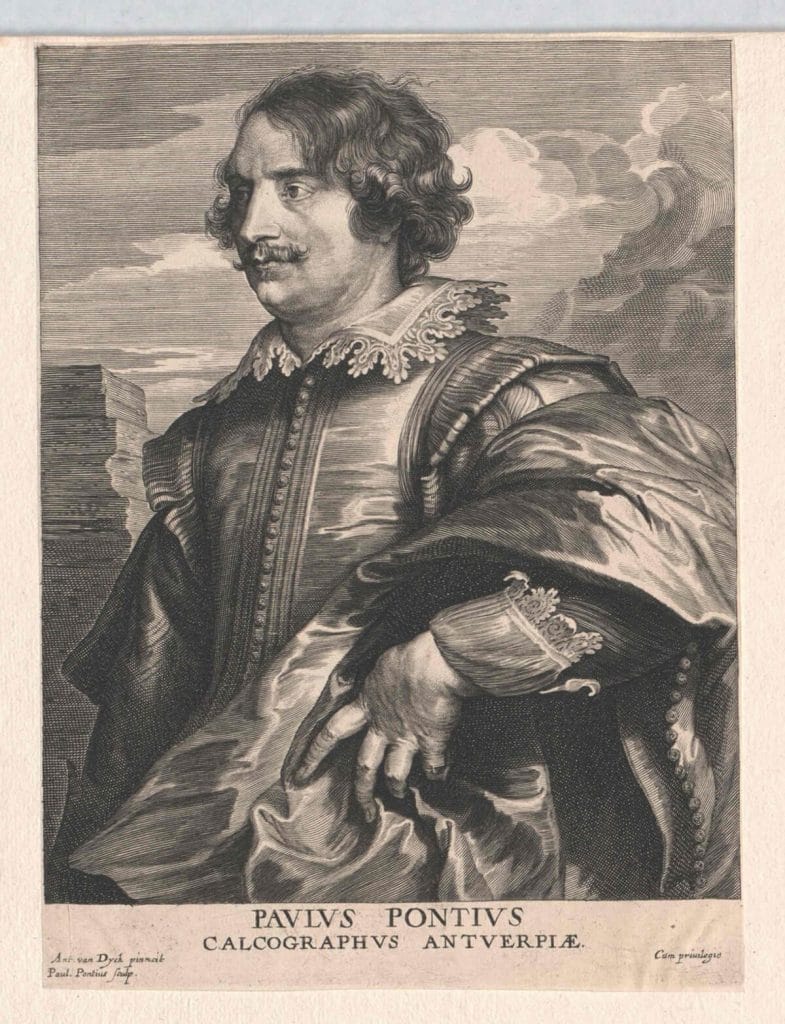
He was the political appointee as prefect of Judea under the Roman Emperor, Tiberias, in 26AD. (http://www.britannica.com/EBchecked/topic/460341/Pontius-Pilate) And while his headquarters were in the coastal city of Caesarea Maritima on the Mediterranean coast, he came to Jerusalem, to the Antonia Fortress, with soldiers, to maintain order during the great feast days. (See https://en.wikipedia.org/wiki/Pontius_Pilate )
It was here that Jesus and Pilate met, and immediately, Pilate recognized there was “no fault in this man.” (See Luke 23:14) No less than 8 times did Pilate attempt to release Jesus, but the Jews would not have it. They insisted that he die. Even after being warned by his wife to “have nothing to do with that just man,” Pilate gave consent for the Savior’s death and washed his hands of the matter. (see Matthew 27:24-25) Pilate was afraid of Jesus, (see John 19:8) but he was more afraid of Rome and the people. It was judicial murder and Pilate knew it.
Pontius Pilate mostly disappears from the biblical record after those eventful days. Yet the few existing secular records indicate that in 36AD, Pilate was summoned to Rome before the emperor, Caligula to answer charges of excessive cruelty. He was subsequently deposed, disgraced and ordered by the Emperor into exile where he would take his own life. (See https://en.wikipedia.org/wiki/Eusebius and https://en.wikipedia.org/wiki/Agapius_of_Hierapolis). We do not know for certain what happened to Pilate, but this much is known, his name has sunk into infamy along with Judas Iscariot and Herod.
The Savior warned, “Let all men beware how they take my name in their lips.” (See DC 64:61) and indeed, so we should.
Glenn Rawson June 2019
