
Description
If I Can Do Any Good
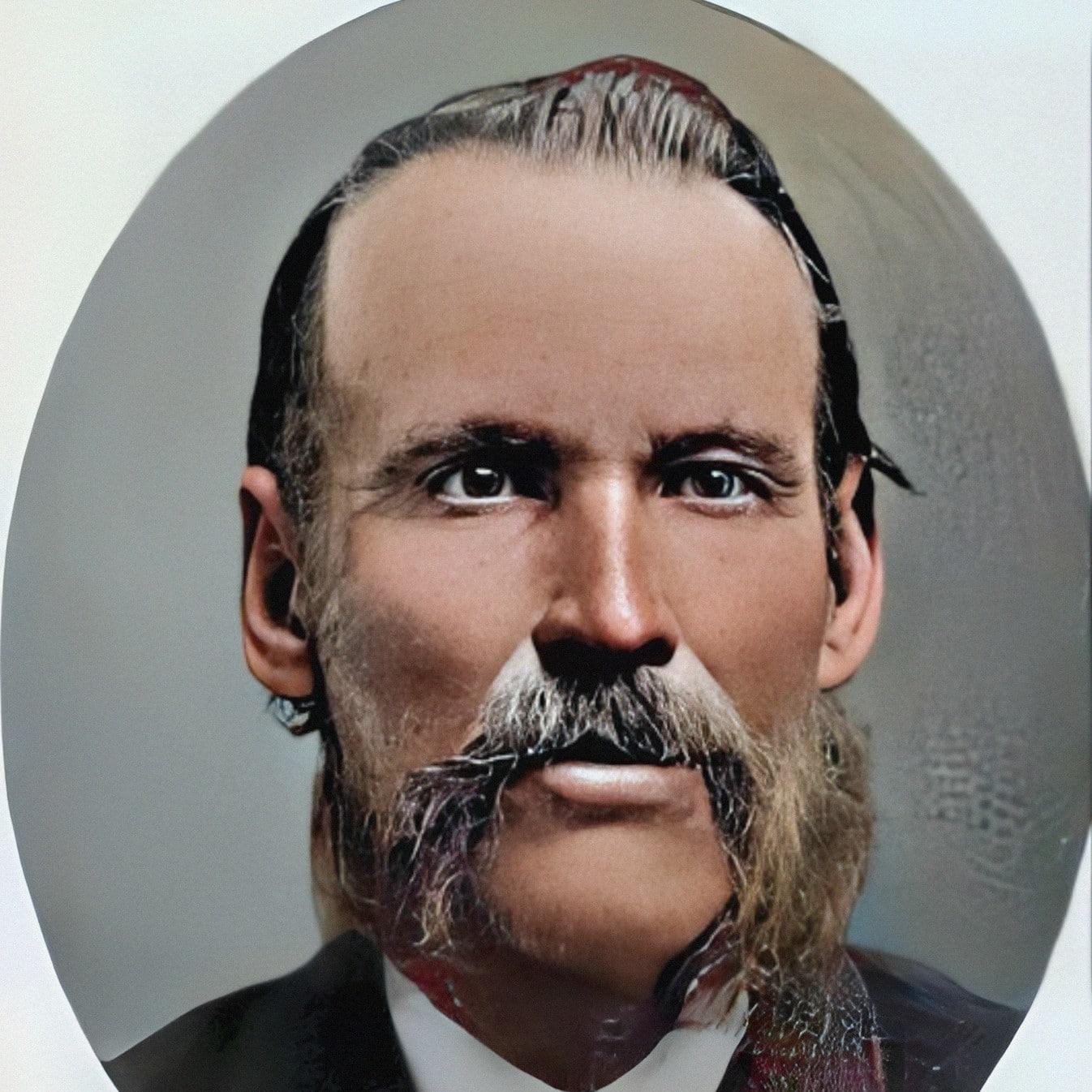
It was September 1, 1849, Provo, Utah. Latter-day Saint settlers had constructed a fort near the Provo River for their protection. In the center of the fort they built a raised platform and mounted a six-pound iron cannon.
On this day, 18-year-old George Washington Bean helped a friend fire the cannon as part of their weapons practice. The first shot went well, but they proceeded to reload the cannon without first swabbing the barrel. As they were ramming home a second charge, the powder ignited prematurely, splintering the hickory ramrod and catapulting both men more than thirty feet into the stockade.
Lieutenant William Dayton was killed and young George Bean was critically injured. When they took him up out of the rubble, his left hand was gone, he was badly burned, including his face and eyes, and more than 200 splinters were embedded in his body.
A rider was sent to Salt Lake City for a doctor and George’s family watched over his torn and wounded body expecting that he would die that night. Somehow ,he made it through and the doctor came and without any anesthetic, sawed off the splintered bone of his left arm, dug out the splinters he could find, and dressed his wounds.
As his recovery began, George could not see and his body hurt everywhere. The pain was unbearable. He would later write, “The days were long and the nights longer, as I suffered in every inch of my body, and prayed so hard to die. The future looked so dark to me.” Then about three weeks later, George described the great miracle that came. Brigham Young, Heber C. Kimball, and Willard Richards—the First Presidency—came to the Bean home. George related the following,
Their presence brought calmness. They evidently saw my condition, but I could not see them, but recognized their voices from hearing them preach. Mother appealed to them—“Brother Brigham, do you think he can live? “Of course he can, and will”, he answered. Then he came to me, took my hand, the right hand, the only one I had—and asked: “George, do you want to live?” His very handshake gave me strength, and I answered: “Yes, if I can do any good,” with my weak voice, trembling. President Young then said: “Then you shall live.” He called his counselors to my bed. My mother brought the consecrated oil, one of them anointed my head and the other sealed that anointing. Then “Brother Brigham” gave me a marvelous blessing. He rebuked the power of the Destroyer from my body and from our home. It was like an electric current that ran through me from head to foot and it took the severe pain with it. He plead with the Lord to heal me from head to foot that all wounds might heal quickly, and that faith may increase as the healing takes place and that I may ever rejoice in God’s blessings in performing the works He has for me to do.
George’s life was changed from that moment forward. He said, “My life of despair was changed by the visit of these three prophets of the Lord to one of love, faith, gratitude and desire to do God’s will.”
The next day, the scales fell from his eyes and George could see once again. From that day on George began a life of profound usefulness to the Lord and His kingdom. He mentions the challenges of pioneering on the frontier with only one arm. It was hard and yet George never let it stop him. He learned to love and communicate with the different Indian tribes and was instrumental in negotiating peace. He lived a life of consecration, responding to the call whenever it came. In the October conference of 1856, George learned of the plight of the handcart pioneers still on the plains. As the sufferers were brought into the Valley, George said, “They were brought in with frozen feet and hands and distributed through the settlements….I took a four-mule team to Salt Lake City and brought a load of these unfortunates to Provo.” Some he took into his own home. A vital part of that heroic rescue was done by the families who took the afflicted in and nursed them back to health.
And as for George Washington Bean, perhaps it is true that the only thing that really handicaps us in this life, is our attitude.
Source:
The Autobiography of George Washington Bean. https://archive.org/stream/autobiographyofg00bean/autobiographyofg00bean_djvu.txt








Reviews
There are no reviews yet.