
Description
Mount Tambora and the Year Without A Summer
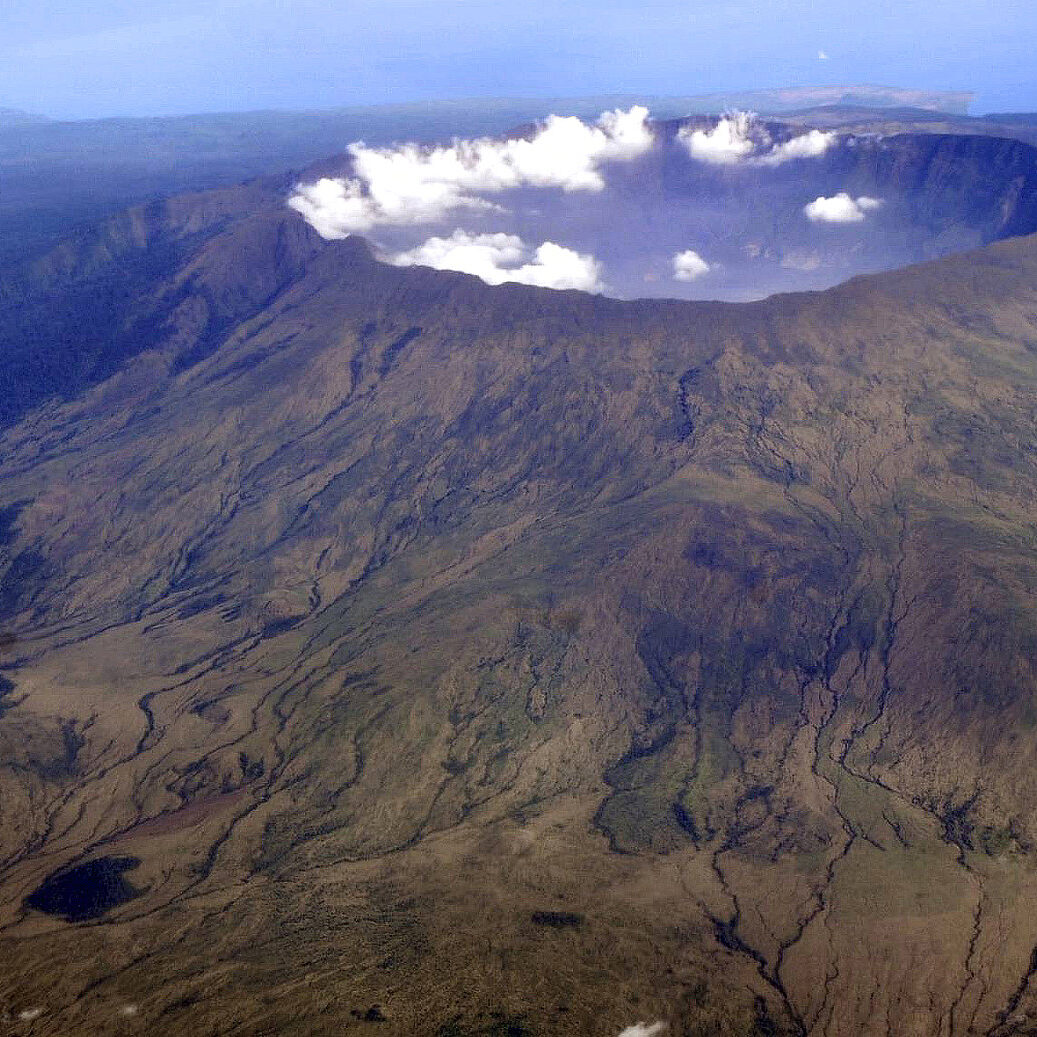
April 10, 1815 Mount Tambora on the island of Sumbawa in the Indonesian Archipelago erupted, explosively, ejecting some 38 cubic miles of material 27 miles into the stratosphere, and blacking out the sun for two days at a distance of 370 miles.
Tambora was the largest volcanic eruption in recorded history. The explosion blew more than 4700 feet off of the top of the mountain and left a crater more than 4 miles across. It was heard 1600 miles away.
The pyroclastic flow spread out 12 miles in all directions and buried the village of Tambora; freezing in time all the inhabitants thereof beneath some 10 feet of material.
Tsunamis caused by the volcano reached a height of 13 feet and slammed into the surrounding islands, killing thousands.
In all it is estimated that Mount Tambora killed 71,000 people, some 11-12,000 were killed directly by the eruption.
Explosions and aftershocks continued for years afterward. High altitude ash was carried on the prevailing winds around the globe causing varied optical phenomenon; prolonged and brilliant sunsets, stunning twilights, sunspots, and red fog.
In the aftermath, the summer of 1816 became the year without a summer. The ash circled the earth filtering the sun’s rays. On June 4, the northeastern United States, were gripped by a killer frost. Snow fell up to a foot in some places. The terrible cold lasted throughout the summer and ruined most agricultural crops. The 1810’s became the coldest decade on record.
For the rest of this story and its significance and relevance to Church history go to
http://historyofthesaints.org/mount-tambora-and-the-year-without-a-summer/
Tambora disrupted the lives of millions across the globe, destroying crops, intensifying diseases, causing famines, riots, and countless deaths.
Among those families whose lives and livelihood was shattered by a lone mountain across the world was a rural farm family in Vermont. Having lost his own prosperous farm, the family patriarch was reduced to being a tenant farmer. Three times that summer he planted his crops, and times they failed. He was ruined. He had had enough of the rugged mountains of Vermont, and would seek his fortune in newly opened land to the south and west. Accordingly he moved his family to a new settlement called Palmyra in the State of New York. By so doing he brought his young son, Joseph Smith Jr. to live near a hill that would come to be called Cumorah, where Joseph would one day unearth a sacred record that we call today, the Book of Mormon.
Sources: http://www.britannica.com/place/Mount-Tambora
https://en.wikipedia.org/wiki/1815_eruption_of_Mount_Tambora









Reviews
There are no reviews yet.