Description
It is Cold-Blooded Murder
The Story of Will
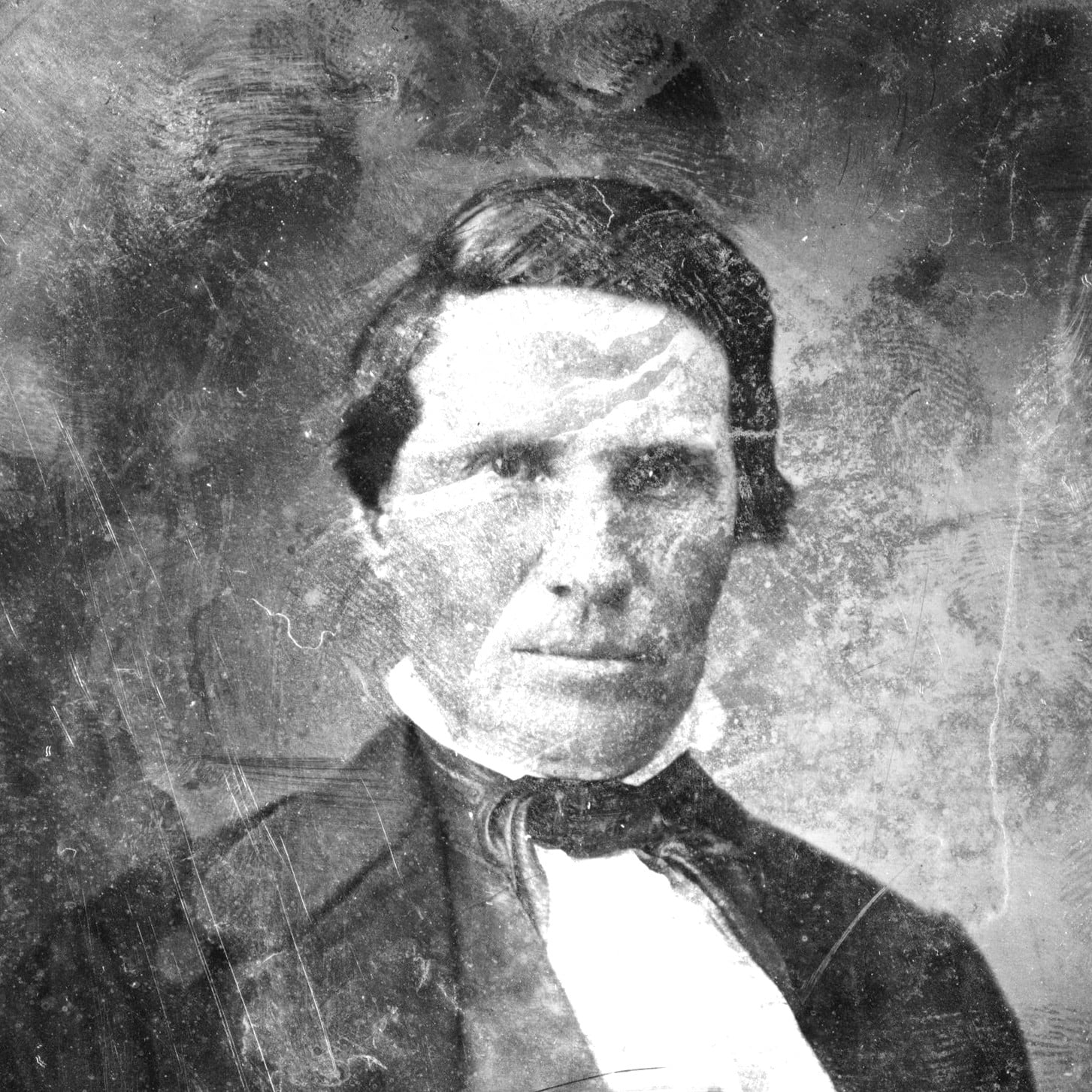
Will was born in Kentucky in 1808, the youngest of ten children. His father was a friend of Daniel Boone and both of Will’s grandfathers served in the American Revolution. When he came of age he enrolled in Augusta College where he studied law. In 1830 at the age of 22, he passed the bar. Shortly after, he moved to the rough and wild frontier of western Missouri, where he set up his law practice.
For three years he worked as a backup attorney standing in the background, but then in the summer of 1833, Will saw his chance. The Latter-day Saints were ordered out of Jackson County by the local mob populace. Bishop Edward Partridge retained Will’s law firm to represent them in keeping their property. However, the retaining of lawyers further angered the citizenry and in November 1833, they drove the Saints out of the county by force.
For the rest of 1833 and into 1834, Will and his colleagues fought for the Saints’ rights in the courts. In June 1834, one thousand people gathered in the courthouse at Liberty, Clay County, Missouri, including a number of Latter-day Saints, to discuss a peaceful resolution. But instead of peace, pandemonium broke out, some declaring vehemently that the people of Jackson County had been right all along in driving the Mormons out.
Will was sitting in the back of the room. According to historian Roger Launius, Will:
“…suddenly arose and walked with solemn resolution to the front of the courtroom, shoving his sleeves up and stretching to his full six-feet four-inch height as he went. In a booming voice, he seconded the opinion of Turnham, advocating the rights of the Saints and opposing “Judge Lynch and mob violence.” “The Mormons have armed themselves,” he said, “and if they don’t fight they are cowards. I love to hear that they have brethren coming to their assistance, [a reference to Zion’s Camp] greater love can no man show, than he, who lays down his life for his brethren.” Doniphan’s speech quieted the uproar in this meeting for only a short time. By late afternoon, little had been accomplished, and the meeting adjourned in disorder.”
Will did not win, but his valiant efforts won him the respect of both the Latter-day Saints and the local population. He “garnered a reputation as a champion of liberty, a defender of cherished rights guaranteed by the Constitution, and a promoter of democratic virtues. His services rose in demand after this case.”
By late 1838, Will was not only a successful lawyer, but he also held the rank of brigadier general in the Missouri State militia. He was ordered into the field by Governor Lilburn W. Boggs to put down the Mormons. On October 31, 1838, Joseph Smith was betrayed and arrested by the militia under the command of General Samuel D. Lucas.
On the evening of November 1, 1838, Lucas quickly convened a drumhead court martial for Joseph Smith and other prisoners. A verdict of guilty by an officer vote of 3-1was handed down despite Joseph and the other prisoners not even being in attendance to defend themselves. Will was at that hearing and “vehemently opposed the decision, telling his fellow officers that not one of them was familiar with military law and then leaving the hearing in protest.”
General Lucas then drafted an order of execution. It read:
“Brigadier-General Doniphan.—Sir: You will take Joseph Smith and the other prisoners into the public square of Far West, and shoot them at 9 o’clock to-morrow morning. [Signed] Samuel D. Lucas Major-General Commanding.”
That order was given to Will—Brigadier General Alexander William Doniphan—to be carried out, but the court-martial and order of execution were illegal. With a sense of offended justice, Doniphan replied:
“It is cold blooded murder. I will not obey your order. … [I]f you execute these men, I will hold you responsible before an earthly tribunal, so help me God.”
Alexander W. Doniphan defied the illegal orders of a superior officer and saved the Prophet’s life that day.
Forty years later, Will Doniphan, now an old man visited Salt Lake City where he “received a hero’s welcome, and was feted and thanked by the Latter-day Saints for his role in saving the life of their prophet.”
Alexander W. Doniphan was a man of integrity and principle—a true man. It is reported that when President Abraham Lincoln met Will for the first time, he said, “Doniphan, you are the only man I’ve ever met whose appearance came up to my expectations.”
He passed away in 1879. Today as you drive past the county courthouse in Richmond, Missouri you will pass a heroic size statue of Alexander William Doniphan—one of Missouri’s great heroes.
Sources:
https://en.wikipedia.org/wiki/Alexander_William_Doniphan
https://rsc.byu.edu/joseph-smith-prophet-seer/joseph-smith-northern-missouri-1838
https://ensignpeakfoundation.org/wp-content/uploads/2013/05/NJ10.2_Launius.pdf